
When looking for reusable materials for a construction site, the challenge is not finding a platform. It’s understanding exactly what it offers, where the resources are, and how to move from consultation to purchase. Refair, supported by La Fab de Bordeaux Métropole, structures its site around these concrete needs: identifying materials, locating collection sites, spotting suppliers, and keeping up with news in the reuse sector.
Digital platform and physical site Refair: two complementary accesses
A construction professional discovering Refair faces two distinct but linked tools. The digital platform allows users to browse available materials, filter by type of resource, and create a product list. The physical site serves as a storage, reconditioning, and direct sales location.
This dual access addresses a recurring issue in reuse: one identifies a lot online but needs to verify its actual condition on-site. The physical site also functions as an educational showcase for the circular economy, aimed at local stakeholders.
To navigate through the entire Refair site, users can access the main sections from the menu: available materials, collection sites, listed suppliers, and news about the initiative. Each section has a specific function in the supply chain process.
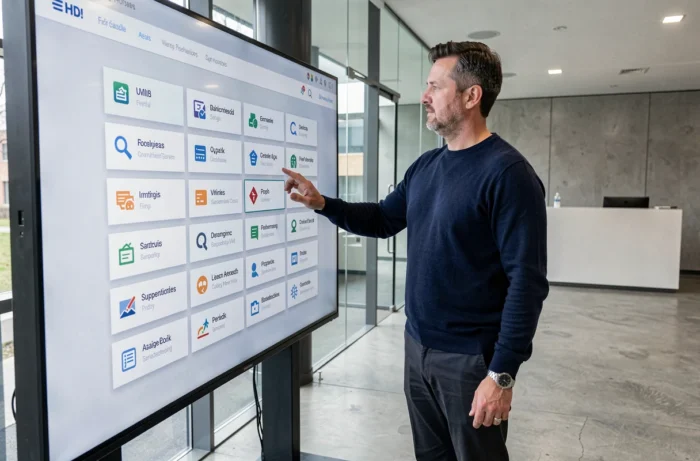
Materials and suppliers sections on Refair: what you can really find there
The materials section is the core of the site. It features resources from demolition sites managed by La Fab. Each entry describes the type of material, its origin, and its availability.
The suppliers section lists the players involved in collection and reconditioning. It includes organizations from the social and solidarity economy, such as Compagnons bâtisseurs or Maison système, which ensure selective dismantling on construction sites.
- The “Materials” section lists available resources with their condition, location, and estimated quantity
- The “Sites” section catalogs ongoing operations where materials are collected before demolition
- The “Suppliers” section identifies active collection and reconditioning partners in the Bordeaux metropolitan area
- The news section shares professional events and urgent available lots (lamp posts, urban furniture elements)
The process is straightforward: browse, add to your list, then contact to arrange pickup or delivery. Feedback on the fluidity of the process varies depending on the lots, but the logic remains one of direct connection between resource and buyer.
Evolution towards online sales: what Refair is preparing for late 2026
Until now, the Refair digital platform primarily served as a showcase. Users could browse materials but could not purchase them directly online. This limitation is changing.
According to Sud Ouest, the opening to online sales is scheduled for November 2026. La Fab indicates that the site will allow for the online listing of available resources for construction stakeholders, with a true integrated purchasing process.
For a craftsman or project owner, this evolution changes the game. Instead of navigating between online consultation and phone contact, they will be able to reserve a lot directly from the platform. The physical site will remain the pickup and verification point, but the transaction can be initiated beforehand.
Professional networking and facilitation
Refair is not limited to a catalog of materials. The initiative includes structured professional facilitation. The “Circular Materials” meeting, for example, brings together reuse professionals to share concrete feedback.
These events aim to structure a local reuse sector, not merely to promote the platform. They address logistical constraints of selective dismantling, insurance issues regarding second-life materials, and integration methods into public contracts.

Reuse of materials in Bordeaux Métropole: the concrete results of the initiative
The Refair initiative started in 2017. Between 2019 and 2021, more than 51 tons of materials were collected from 9 sites and reintegrated into a second life cycle. These figures, documented by La Fab, give an idea of the scale: we are talking about significant lots, not symbolic operations.
The materials involved come from demolition sites conducted on La Fab’s operational sites. Collection is organized prior to demolition, which requires a prior resource diagnosis and coordination with dismantling companies.
The stated goal is to reduce the environmental impact of the construction sector, by decreasing both waste production and greenhouse gas emissions related to the manufacture of new materials.
Evaluation and prospects for the reuse sector
La Fab plans to conduct a comprehensive evaluation of the initiative with the Nobatek/INEF 4 research center, particularly to measure the real gains in terms of environmental impact. This type of quantified feedback is still lacking in the reuse sector at the national level.
For professionals consulting the Refair site, this evaluation will have direct utility: to have reliable data to justify the choice of reuse in a tender or a construction carbon assessment.
The political structuring of the circular economy at the metropolitan level reinforces this dynamic. Refair is not an isolated project; it is a link in a territorial strategy that combines collection, reconditioning, sales, and sector facilitation. The sections of the site reflect this architecture: each page corresponds to a step in the process, from inventorying resources to making materials available.