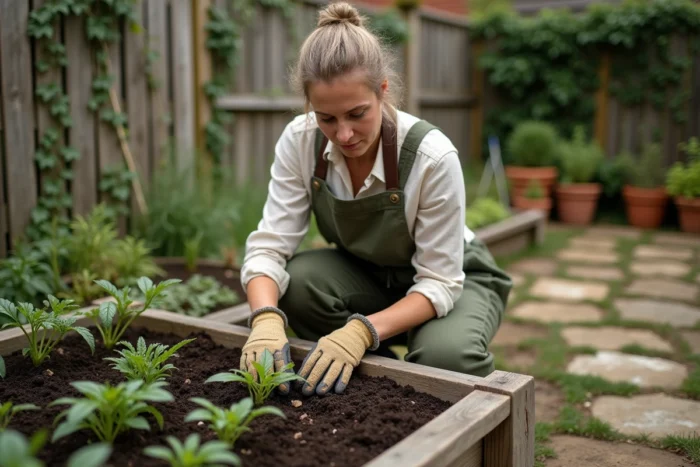
Natural gardening is not just about eliminating pesticides. It is a set of practices that involve soil, water management, plant selection, and the timing of interventions according to the seasons.
In recent years, the formalization of these practices has accelerated: landscapers are adopting zero chemical pesticide charters, and tool manufacturers are shifting their advice towards drought resistance rather than perfect lawns. This paradigm shift concerns both professionals and amateur gardeners.
Living soil and natural fertility: what happens beneath the surface
In natural gardening, soil is not just a growing medium: it is a complete ecosystem. A biologically active soil nourishes plants without chemical inputs. Mycorrhizal fungi, nitrogen-fixing bacteria, earthworms: this microscopic fauna and flora transform organic matter into assimilable nutrients.
The problem is that many gardens start with soil depleted by years of intensive mechanical work or synthetic fertilizer use. Rebuilding this biological life takes time, often several seasons.
Three concrete levers accelerate the process:
- Permanent mulching (dead leaves, branch chippings, straw) protects the soil from drying out and nourishes decomposer organisms throughout the year.
- Surface composting, which involves placing plant waste directly at the base of plants without burying it, reduces soil disturbance and stimulates biological activity on the surface.
- Green manures (phacelia, mustard, clover) sown between two crops cover bare soil, fix atmospheric nitrogen, and structure the soil with their roots.
Those who wish to garden with Jardiner Naturellement will find additional resources on biological soil management tailored to different regions of France.
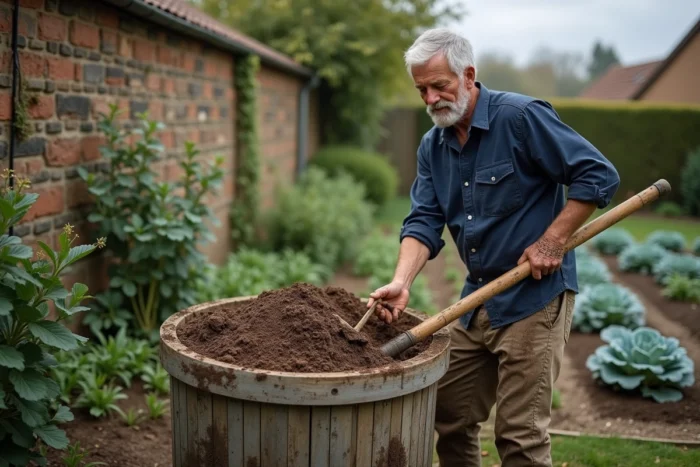
Water management in natural gardening: mow high, water less
Watering is the most resource-intensive aspect of gardening. Increasingly frequent summer water restrictions require a rethink of this habit. The goal is no longer a green lawn all year round but a lawn capable of surviving heatwaves.
Manufacturers like Gardena now recommend mowing higher, between six and eight centimeters. A longer blade of grass provides more shade to the soil, limits evaporation, and develops deeper roots. Meanwhile, it is better to water deeply once or twice a week (early in the morning) than superficially every day.
Collecting and slowing down water on the plot
Beyond the lawn, the natural garden works on the complete water cycle. The effectiveness of each method varies according to soil texture, depth, and organic matter content, but several practices are widely accepted.
Watering basins around fruit trees concentrate water where the roots need it. Garden wetlands (ponds, vegetated ditches, planted swales) contribute to biodiversity while serving as buffer reservoirs. Associating ground cover plants at the base of crops limits evaporation in the vegetable garden without resorting to plastic mulching.
Rainwater harvesting remains the most direct solution. Even a single collector of a few hundred liters covers a significant portion of a small vegetable garden’s needs during dry months.
Natural vegetable garden calendar: what to do season by season
Gardening naturally all year round requires thinking in cycles rather than isolated tasks. The classic trap is to concentrate all efforts in spring and abandon the garden by autumn.
Autumn and winter: prepare rather than endure
Autumn is the most underestimated season. It is the time to sow green manures on cleared plots, to generously mulch before the first frosts, and to plant bare-root trees. Winter vegetable sowing (lamb’s lettuce, spinach, fava beans) begins as early as September in most regions.
In winter, the garden is not inactive. Planning crop rotations, pruning fruit trees (outside of frost periods), and sorting seeds prepare for an effective spring.
Spring and summer: support growth without forcing
Spring calls for sowing in the vegetable garden, but the temptation to sow too early (before the ice saints in May) remains a frequent trap. It is better to delay sowing by two weeks than to lose an entire batch to late frost.
In summer, the main tasks involve maintaining the mulch, watering strategically, and harvesting regularly to stimulate production. Plant associations (basil and tomatoes, carrots and leeks) play a concrete role in natural pest management.
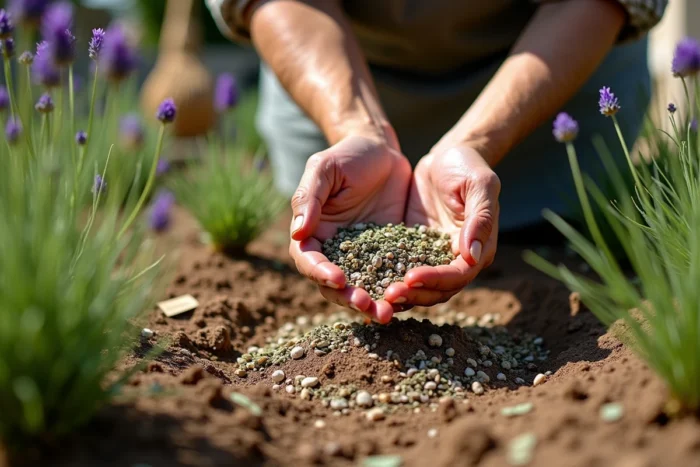
Zero pesticide charters and biocontrol: what is changing for gardeners
In recent years, gardening and landscaping companies have structured their offerings around zero chemical pesticide environmental charters. These charters formalize a commitment to reducing water, energy, and inputs, with exclusive reliance on biocontrol solutions.
For amateur gardeners, this trend translates into a growing range of biocontrol products in garden centers: nematodes against slugs, Bacillus thuringiensis against caterpillars, plant extracts as repellents. The effectiveness of these solutions strongly depends on the type of targeted pest, local climate, and timing of application, but their adoption is progressing rapidly.
This movement goes beyond simple product replacement. It involves tolerating a certain level of damage to crops, promoting natural allies (ladybugs, lacewings, hedgehogs), and accepting that the garden may not look like a magazine photo. Natural gardening requires a reevaluation of aesthetic criteria as well as techniques.
The transition to a fully natural garden does not happen in one season. The soil needs time to regain its biological balance, populations of beneficial organisms take several years to establish sustainably, and each plot reacts differently based on its history. Starting with one area of the garden, observing the results, and then gradually expanding remains the most reliable method.